
"chemical reaction"
300 article(s) found

What is the fragrance of coffee beans? why the aroma of coffee beans comes from inexplicable chemical reactions.
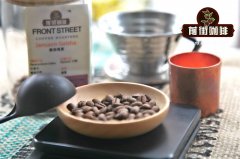
Professional coffee knowledge exchange more coffee bean information please follow the coffee workshop (Wechat official account cafe_style) front street-coffee aroma source introduction aroma, flavor, aftertaste, acidity and alcohol thickness these five attributes are collided by different compounds. On the cup table, we use our senses to analyze the taste and aroma, which are also caused by chemical compounds. Let's smell dried incense first.

Basic knowledge of Coffee beans Chemical reaction of Coffee in Baking
Coffee has a rich, wide range of flavors. Coffee produced in different regions, different elevations, different climates and different producing areas has its own unique characteristics. Raw beans are fragrant and have no usual coffee taste at all; the taste of coffee comes from proper roasting. Show fruity (light roasting) or caramel sweetness (deep roasting). The lighter the baking, the more sour it tastes. Baking.

Chemical reaction of Fine Coffee in roasting
Coffee has a rich, wide range of flavors. Coffee produced in different regions, different elevations, different climates and different producing areas has its own unique characteristics. Raw beans are fragrant and have no usual coffee taste at all; the taste of coffee comes from proper roasting. Show fruity (light roasting) or caramel sweetness (deep roasting). The lighter the baking, the more sour it tastes. Baking.

Coffee Basics Chemical Reaction of Coffee in Roasting
Coffee has a wide variety of flavors. Different regions, different altitudes, different climates, different origins of coffee production have their own unique characteristics, green beans are fresh and completely without the usual coffee taste; coffee taste comes from proper roasting, showing fruity (medium light roast) or caramel sweet (deep roast). The lighter the roast, the more sour the taste.

Chemical reaction of coffee beans in roasting
Coffee has a rich, wide range of flavors. Coffee produced in different regions, different elevations, different climates and different producing areas has its own unique characteristics. Raw beans are fragrant and have no usual coffee taste at all; the taste of coffee comes from proper roasting. Show fruity (light roasting) or caramel sweetness (deep roasting). The lighter the baking, the more sour it tastes. Baking.

Common sense of roasting of coffee beans Chemical reaction of coffee in roasting
Coffee has a rich, wide range of flavors. Coffee produced in different regions, different elevations, different climates and different producing areas has its own unique characteristics. Raw beans are fragrant and have no usual coffee taste at all; the taste of coffee comes from proper roasting. Show fruity (light roasting) or caramel sweetness (deep roasting). The lighter the baking, the more sour it tastes. Baking.

Coffee bean roasting is a chemical reaction that takes place. Coffee flavor is reflected.
The structure of coffee is a well-developed matrix, which improves the consistency of quality and contributes to the uniform spread of heat during baking. Cellulose exists in coffee in the form of embedded in lignocellulose (an amorphous matrix containing hemicellulose and cellulose-containing lignin), which form matrix unit walls (cell walls). Hemicellulase (hemicel)
What happens during coffee roasting? coffee bean roasting temperature and time coffee roasting taste
Professional coffee knowledge exchange more coffee bean information please follow the coffee workshop (Wechat official account cafe_style) roasting coffee converts the chemical and physical properties of raw coffee beans into roasted coffee products. The roasting process causes raw beans to expand and change their color, taste, smell and density, resulting in the special flavor of coffee. Unbaked coffee beans and roasted coffee beans contain
How does the sour and bitter in coffee come from?
Many thermal and chemical reactions take place during baking: decarbonation, dehydration of quinic acid, subdivision, isomerization, polymerization, and complex sugar reactions (caramelization).
What does coffee smell like? Why does coffee smell good? Chemical reactions during roasting
Professional coffee knowledge exchange More coffee bean information Please pay attention to coffee workshop (Weixin Official Accounts cafe_style) Qianjie-coffee flavor source introduction Aroma is a very important quality attribute in fine coffee. Changes in aroma components include the loss of some volatiles, but also the formation of others. Although the most appropriate and direct way to measure freshness is inspection

Do you have to understand the chemical reaction in coffee roasting? the change of coffee beans in the boiler
Communication among professional baristas follow the coffee workshop (official Wechat account cafe_style) aside, the physical changes of coffee beans during heating are already quite complex: the same bean is fried in the same way (that is, the same roasting curve), but the taste is not necessarily the same. Some enthusiasts like to stick graphs on their bags when communicating, although this is helpful to test beans.

What is the effect of coffee roasting on the interior of coffee? What's Mena's reaction?
Professional coffee knowledge exchange more coffee bean information please follow the coffee workshop (Wechat official account cafe_style Mena reaction | Maillard Reaction Mena reaction requires two very important raw materials: protein, and reducing sugar (reducing sugar). A chemical reaction requires energy, or a reaction enzyme, to help with the reaction, while the Mena reaction is a reaction that does not need to be reversed.

Introduction to the description of taste and flavor of coffee beans made by Yega Xuefei siphon pot
In general, the unique and rich aroma of coffee is the synthesis of the flavor released by the rich substances contained in the raw coffee beans due to the chemical reactions produced at high temperature. Basically can be divided into two major chemical reactions caramelization reaction (caramelization, carbohydrate oxidation and browning) and Mena reaction

What happened in the process of grinding coffee and making coffee by hand?
Professional coffee knowledge exchange more coffee bean information Please follow the coffee workshop (Wechat official account cafe_style) new friends, after you get the boutique coffee beans, ready to start the process of hand-brewing coffee, are you confused by various hand-brewing parameters and water filling theory? Those things.

Professional coffee roasting| Is the natural curve of baked beans coincidence or science?
Professional barista communication, please pay attention to coffee workshop (Weixin Official Accounts cafe_style) Using the open source free baking record software Artisan not only allows us to focus on the process of baking beans, but also adds a lot of unexpected ideas, or fun, I don't understand why some people resist it so much. In Germany 2015 SCAE baking contest page last there is one

The basic chemical reaction that takes place during coffee roasting the degree of coffee bean roaster
I, when heated, is converted into isomers cellulose III and cellulose IV. The structure of coffee is a well-developed matrix, which improves the consistency of quality and contributes to the uniform spread of heat during baking. Cellulose in coffee is embedded in lignocellulose (an amorphous matrix containing hemicellulose and cellulose-containing lignin).

What chemical reaction happens when milk becomes foam? How does milk become foam?
Professional coffee knowledge exchange More coffee bean information Please pay attention to coffee workshop (Weixin Official Accounts cafe_style) Although you don't need a degree in chemistry, it is indeed a more complicated technology to understand the chemical effect of milk on coffee. But if you want to make perfect, beautiful foam, you have to learn about milk. Milk goes with it.

How many flavors are there in coffee beans? explore the secret of the aroma of coffee beans
Professional coffee knowledge exchange more coffee bean information please follow the coffee workshop (Wechat official account cafe_style) front street-coffee flavor, aroma introduction 1. In fact, the complex aroma is related to the chemical composition of raw beans. Compounds that produce different aromas will be present in different concentrations in raw beans, including variety, climate of origin, fruit maturity, treatment, etc.

What details should you pay attention to when grinding coffee? What is the grindness of hand-brewed coffee?
Coffee tastes good because coffee beans contain thousands of chemicals that stimulate smell and taste, enter the air and run into your nose; dissolve into the water and crash into your taste buds. From a scientific point of view, the process of brewing a cup of coffee is a kind of "extract"

[coffee roasting] Fire throttle control of roaster (4) | Coffee workshop
Communication of professional baristas Please follow the coffee workshop (official Wechat account cafe_style) when dehydration goes through to the change of raw beans to yellow, indicating that a series of chemical reactions such as Maillard reaction, which are crucial to the production and transformation of coffee flavor substances, begin to take place actively. However, at this time, it is not said that the dehydration of raw beans stops, but the baking process begins to change by mainly removing the moisture of raw beans.